
How Old Is My Steinway? – How to Look Up Your Serial Number
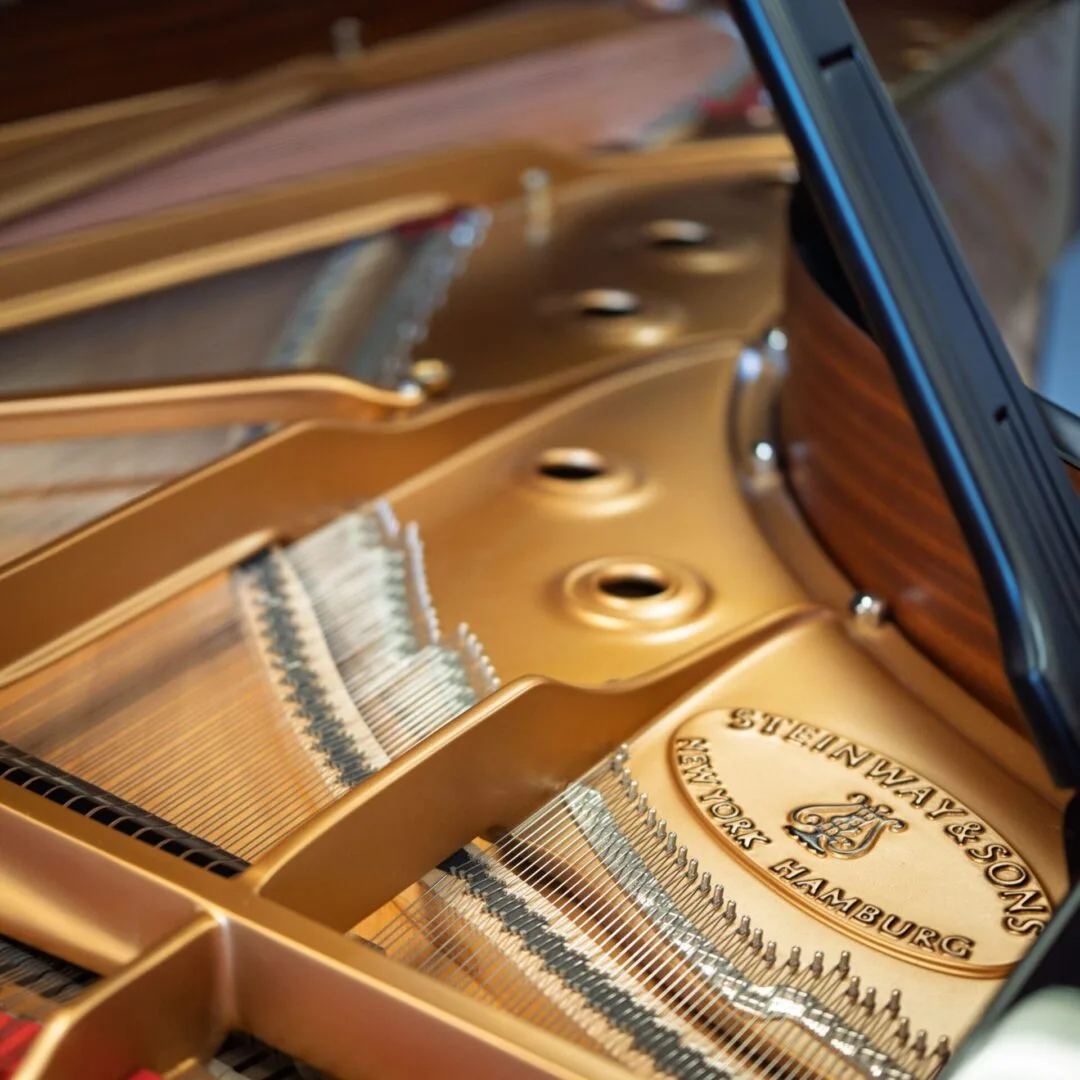
Few names in the piano world carry the prestige and recognition of Steinway & Sons. For more than 170 years, Steinway has been considered one of the gold standards of piano craftsmanship, trusted by concert artists, universities, recording studios, and collectors around the globe.
Founded in 1853 in New York City by German immigrant Henry E. Steinway and his family, the company quickly earned a reputation for innovation and exceptional build quality. During the late 19th and early 20th centuries, Steinway developed many of the features now considered standard in modern piano design, including advancements in cast-iron plate construction, overstrung scaling, and soundboard engineering.
These innovations helped produce the rich, powerful, and deeply expressive tone that would become known as the “Steinway sound.”
Why Steinway Pianos Became So Popular
Part of Steinway’s popularity comes from its ability to combine technical precision with musical personality. Steinway pianos are known for their warm bass, singing treble, and wide dynamic range, allowing pianists to perform with both power and nuance.
The company also built strong relationships with elite musicians through its famous “Steinway Artist” program. Legendary pianists such as Sergei Rachmaninoff, Vladimir Horowitz, and Arthur Rubinstein all performed on Steinway pianos, helping establish the brand’s dominance in concert halls worldwide.
Today, Steinway remains one of the most recognizable luxury piano brands in the world, especially among serious pianists seeking handcrafted quality and concert-level performance.
Why Older Steinway Pianos Are So Desirable
One reason vintage Steinway pianos are so sought after is the legendary “Golden Era” of Steinway manufacturing, generally considered to span from roughly 1890 to 1940. During this period, many piano technicians and musicians believe Steinway produced instruments with particularly rich tonal complexity and exceptional craftsmanship.
These older pianos were heavily handcrafted, often using old-growth woods and slower production methods that emphasized detail and individuality. Many pianists describe vintage Steinways as having a warmer, more colorful, and more orchestral tone compared to some modern instruments.
As a result, restored Golden Era Steinways continue to command strong demand among collectors, performers, and piano enthusiasts.
A properly restored vintage Steinway can offer not only incredible musical performance, but also long-term value and historical significance.
How to Find the Serial Number on a Steinway Piano
If you own or are considering purchasing a Steinway piano, locating the serial number is one of the best ways to determine its age and production history.
On Steinway Grand Pianos:
The serial number is typically found stamped into the wood or plate inside the piano near the tuning pins or soundboard area. Open the lid and look near the front section of the plate. It can also be found on the front of the action, visible if you remove the long thin wooden strip (key slip) in front of the keys
On Steinway Upright Pianos:
The serial number is usually located inside the piano near the top of the plate or soundboard. Open the top lid and look toward the upper interior frame.
Once you locate the serial number, you can compare it against Steinway serial number charts to determine the piano’s manufacturing year.
483 / 1853 165000 = 1914 380000 = 1963 592000 = 2012
1000 = 1856 170000 = 1915 385000 = 1964 594500 = 2013
2000 = 1858 175000 = 1916 390000 = 1965 597500 = 2014
3000 = 1860 183000 = 1917 395000 = 1966 600000 = 2015
5000 = 1861 190000 = 1918 400000 = 1967 603000 = 2016
7000 = 1863 195000 = 1919 405000 = 1968 606500 = 2017
9000 = 1864 200000 = 1920 412000 = 1969 608500 = 2018
11000 = 1865 205000 = 1921 418000 = 1970 611500 = 2019
13000 = 1866 210000 = 1922 423000 = 1971 614000 = 2020
15000 = 1867 217000 = 1923 426000 = 1972 617000 = 2021
17000 = 1868 225000 = 1924 431000 = 1973 620000 = 2022
19000 = 1869 232000 = 1925 436000 = 1974 621800 = 2023
21000 = 1870 240000 = 1926 439000 = 1975 625700 = 2024
23000 = 1871 249000 = 1927 445000 = 1976 627800 = 2025
25000 = 1872 256000 = 1928 450000 = 1977 629300 = 2026
27000 = 1873 263000 = 1929 455500 = 1978
29000 = 1874 269000 = 1930 463000 = 1979
31000 = 1875 271000 = 1931 468500 = 1980
33000 = 1876 274000 = 1932 473500 = 1981
35000 = 1877 276000 = 1933 478500 = 1982
40000 = 1878 278000 = 1934 483000 = 1983
42500 = 1880 279000 = 1935 488000 = 1984
45000 = 1881 284000 = 1936 493000 = 1985
50000 = 1883 289000 = 1937 498000 = 1986
52500 = 1884 290000 = 1938 500000 = 1987
55500 = 1885 294000 = 1939 504000 = 1988
60000 = 1887 300000 = 1940 508000 = 1989
65000 = 1889 305000 = 1941 513000 = 1990
67500 = 1890 310000 = 1942 517000 = 1991
70000 = 1891 314000 = 1943 521000 = 1992
75000 = 1893 316000 = 1944 524000 = 1993
80000 = 1894 317000 = 1945 527000 = 1994
82000 = 1895 319000 = 1946 531000 = 1995
85000 = 1896 322000 = 1947 533500 = 1996
90000 = 1898 324000 = 1948 538000 = 1997
95000 = 1900 328000 = 1949 541000 = 1998
100000 = 1901 331000 = 1950 546000 = 1999
103000 = 1902 334000 = 1951 550000 = 2000
106000 = 1903 337000 = 1952 555000 = 2001
110000 = 1904 340000 = 1953 559000 = 2002
115000 = 1905 343000 = 1954 563000 = 2003
120000 = 1906 346500 = 1955 567000 = 2004
125000 = 1907 350000 = 1956 571000 = 2005
130000 = 1908 355000 = 1957 574500 = 2006
135000 = 1909 358000 = 1958 578000 = 2007
140000 = 1910 362000 = 1959 582000 = 2008
150000 = 1911 366000 = 1960 584500 = 2009
155000 = 1912 370000 = 1961 587000 = 2010
160000 = 1913 375000 = 1962 589500 = 2011
Final Thoughts
Whether new or vintage, Steinway & Sons pianos continue to represent some of the finest craftsmanship in the piano world. Their combination of history, innovation, artistry, and unmistakable tonal character has helped them remain one of the most respected piano makers for generations.
For many pianists, owning a Steinway is more than purchasing an instrument. It’s becoming part of a musical legacy.